


Frequently asked questions about proper dog care

Regular grooming improves your dog's quality of life and can extend its lifespan. It strengthens the bond between you and your four-legged friend and allows you to spot changes such as redness, eczema, or parasites at an early stage and take appropriate action.
Grooming should cover your dog’s entire body, from the muzzle to the paws. Important aspects include:
- Regularly removing dirt to prevent inflammation.
- Gently cleaning the ears and eyes to prevent infections.
- Getting your dog used to tooth brushing early for healthy teeth. CAUTION: Chew treats do not replace dental hygiene.
- Regularly checking and trimming the claws and inspecting the paws for cracks or injuries, especially after walks.
How often your dog's nails need trimming varies depending on their activity level and the surfaces they walk on. In general, the nails should be trimmed so that they do not touch the ground when your dog is standing. Regular checks help prevent them from becoming overgrown.
Be sure not to cut the nails too short, as this can injure your dog!
It depends on the type of coat. Short-haired dogs need baths less often, while long-haired dogs should be washed more regularly. In general, bathe your dog only when necessary to avoid disrupting the natural protective barrier of their skin. Use lukewarm water and a mild dog shampoo. Make sure no water gets into their ears, and dry your dog thoroughly after the bath.
At SABRO, we offer a wide range of high-quality grooming products for your dog, including:
- Eye and ear pads: For gentle, easy cleaning and the prevention of inflammation.
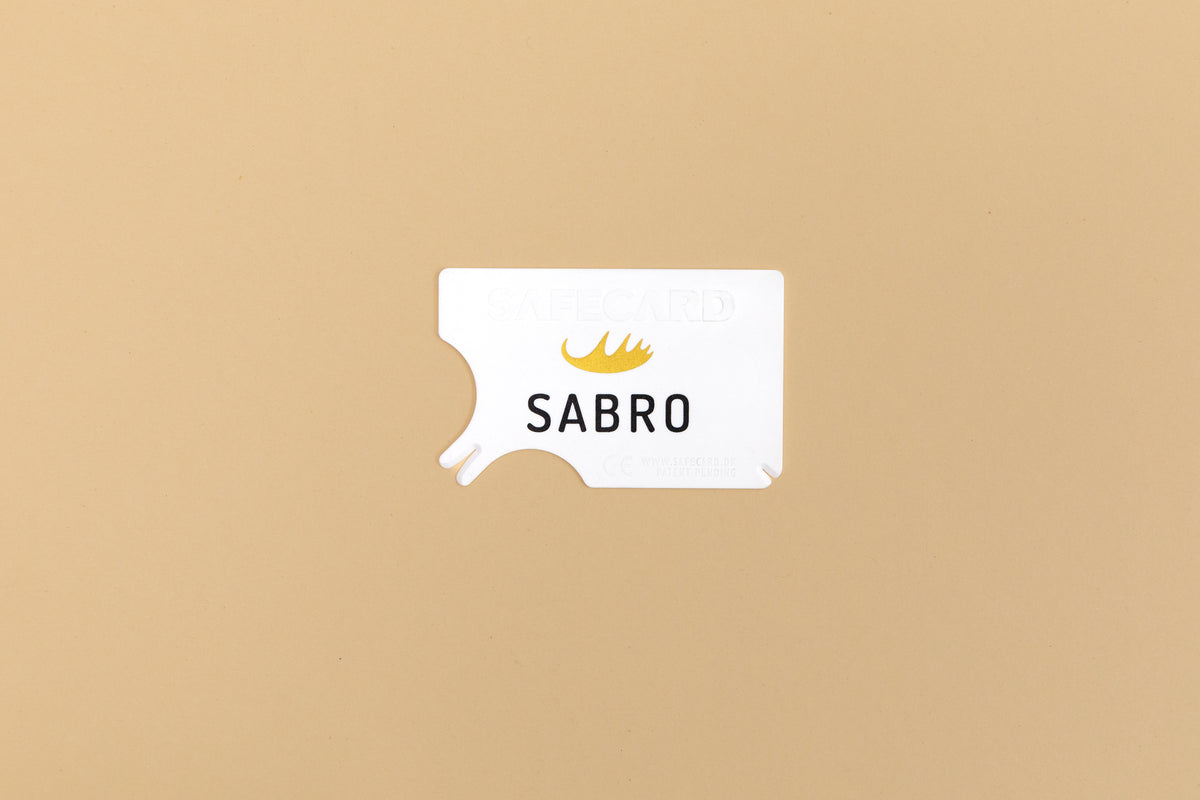
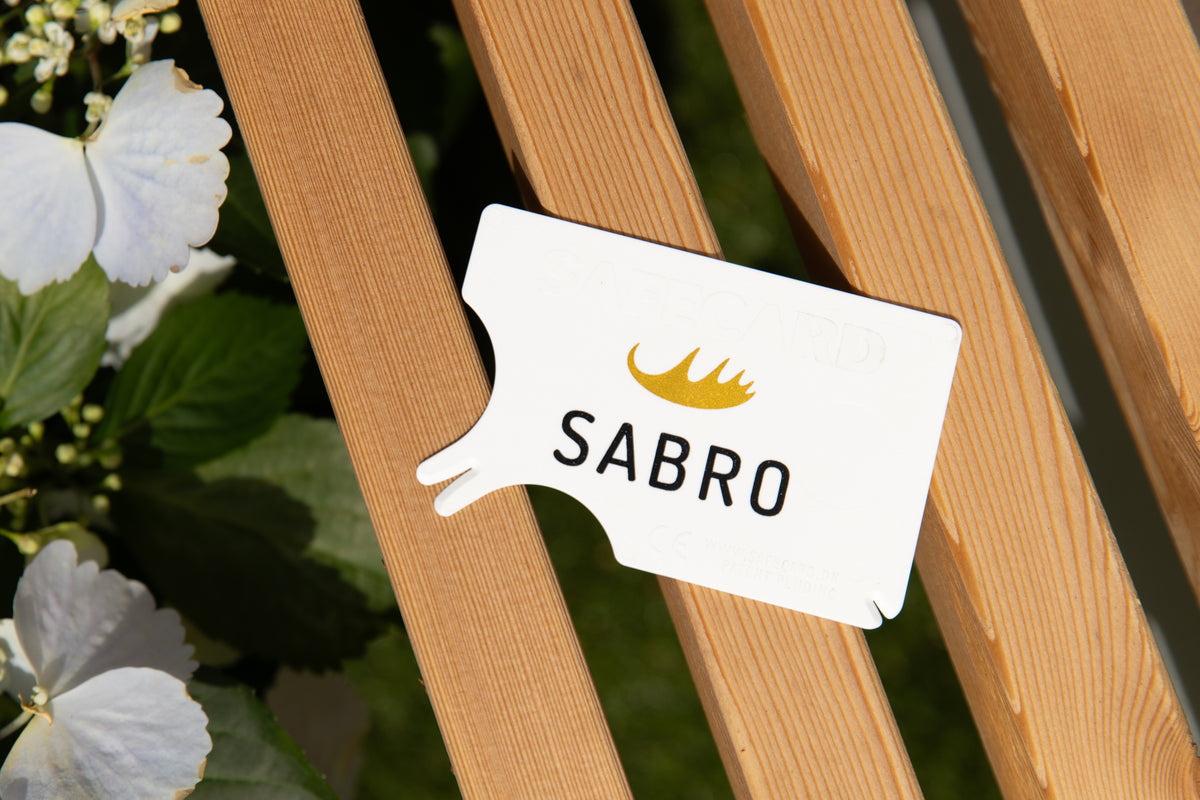
- Tick card: For safely removing ticks after walks.
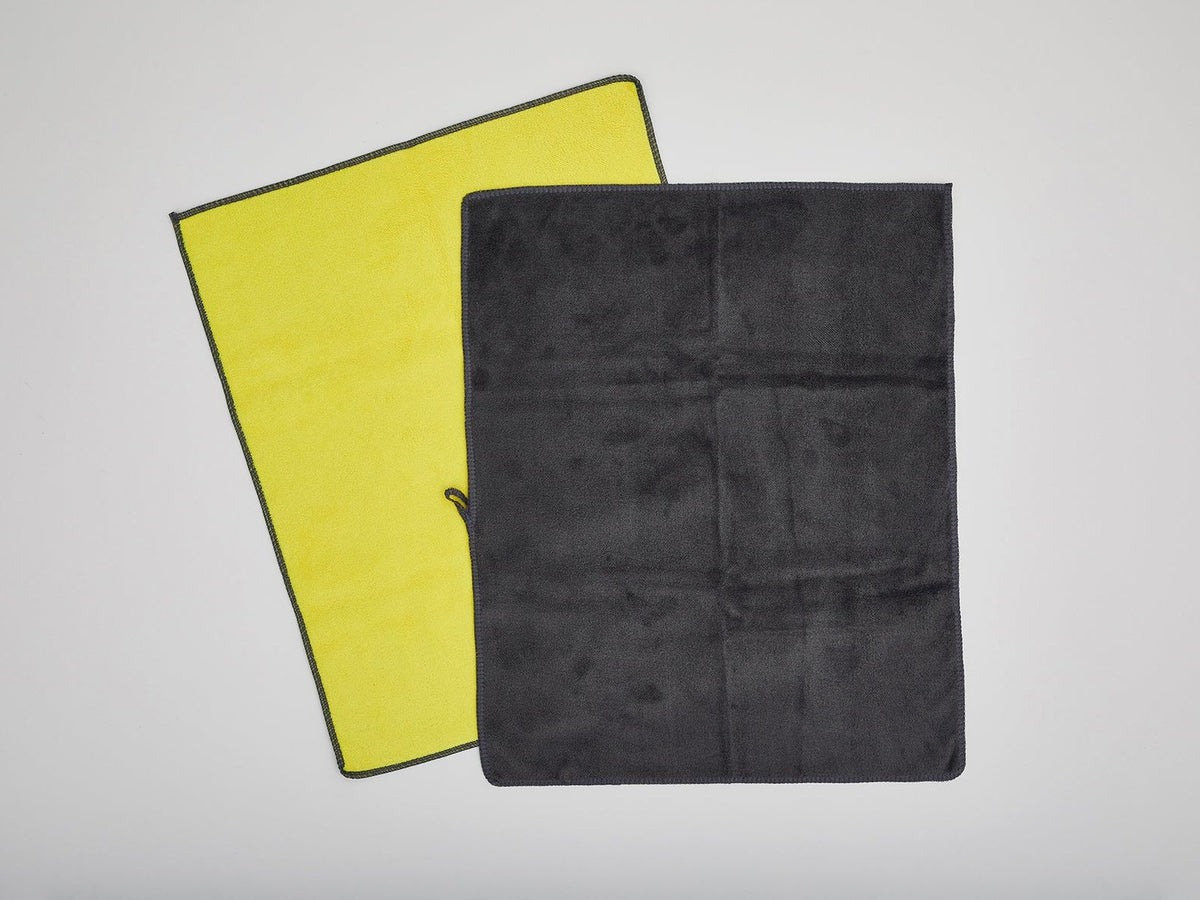
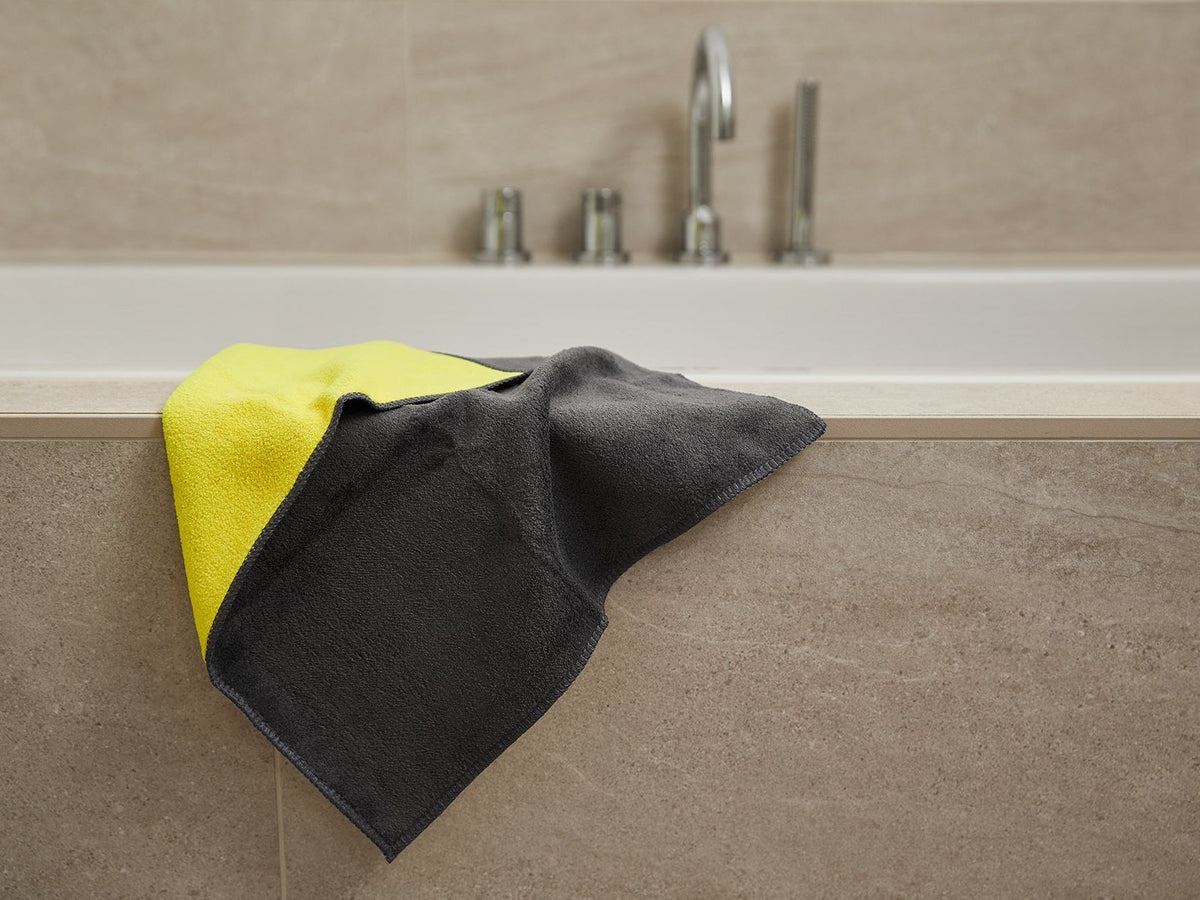
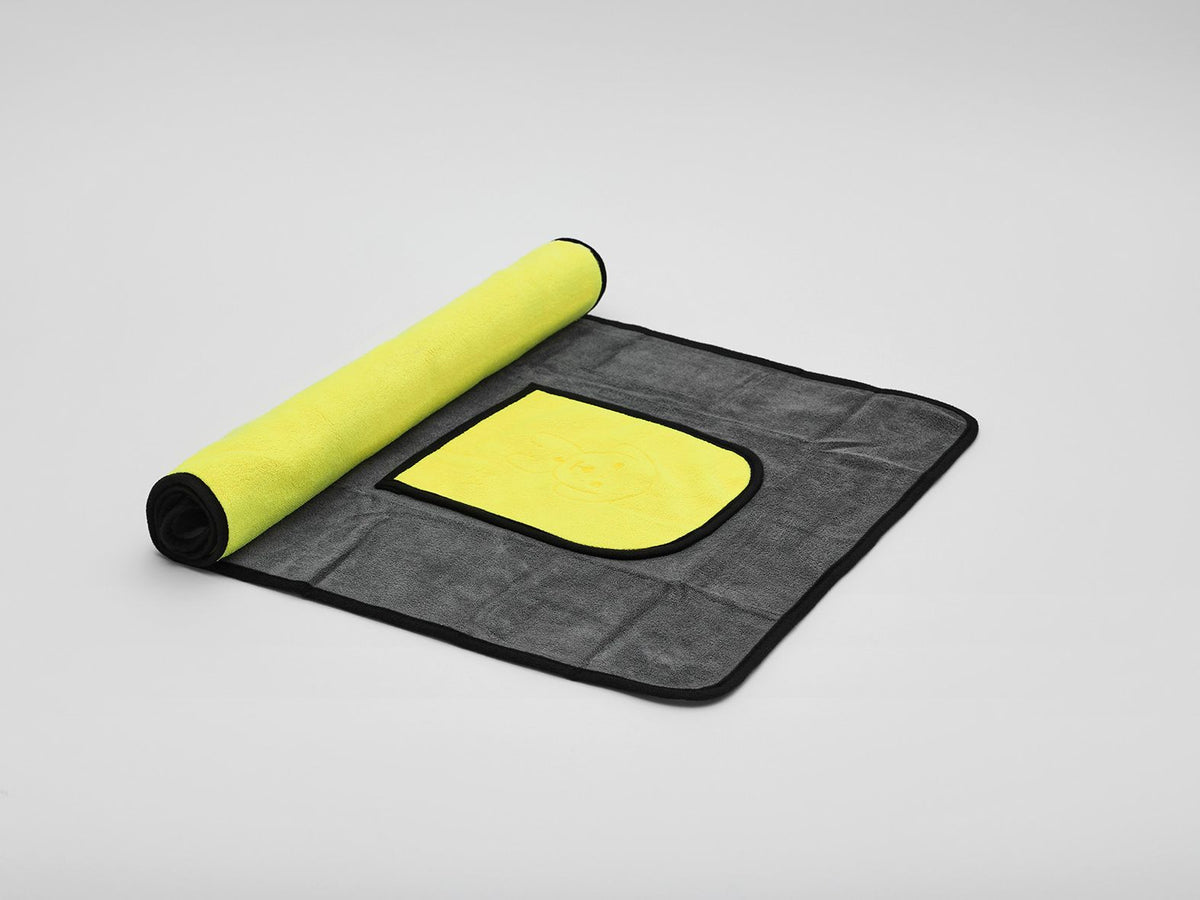
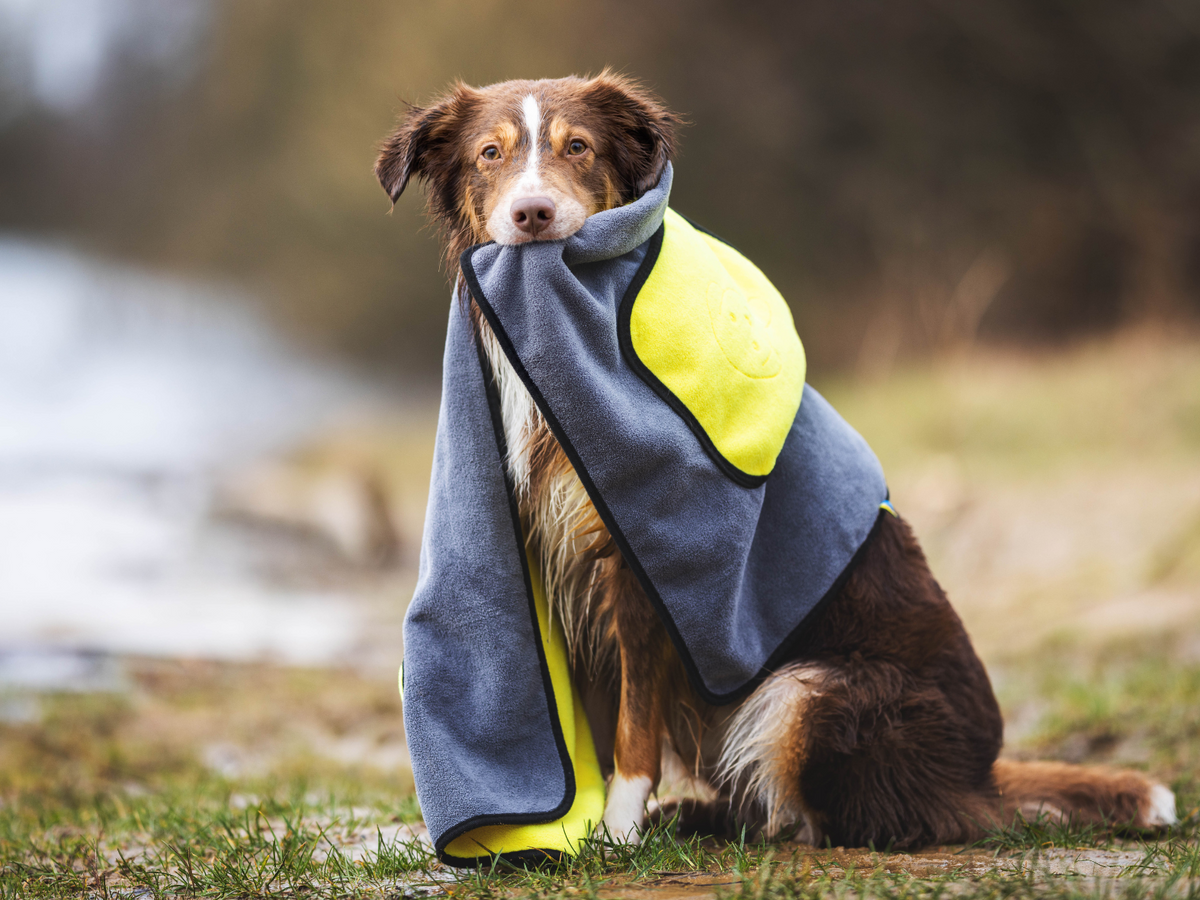
- Highly absorbent dog towels: They allow you to dry your dog quickly and efficiently. This is especially important for protecting your dog from getting chilled and minimizing the risk of skin irritation.
How to care for your dog and keep them healthy
Proper dog care and hygiene are essential for your dog's well-being and health. Depending on the breed and coat type, your dog requires individually tailored care. Coat care should be a regular part of daily life, especially for long-haired dogs. But it's not just the coat—teeth, ears, and paws also deserve regular attention.
That's why caring for your dog is important
Dogs have long been loyal companions to us humans. And they depend on the care of their owners. Poor teeth, dull fur, and excessive earwax are not “natural” in animals either.
Regular grooming will improve your dog's quality of life, and they will stay by your side longer. When your beloved pet truly feels comfortable in their coat, they show you their affection with bright eyes and a wagging tail.
Dog grooming is also an important bonding ritual. You strengthen your relationship with your dog, give them a sense of security, and they learn to trust you. You will also be able to spot changes such as redness, eczema, injuries, dull or shiny fur, or parasites more quickly and take action.
What dog care includes
Good hygiene starts with proper care—from the muzzle to the paws. This includes more than just cleaning the coat after an adventurous walk when your dog is covered in dirt. The following items are part of comprehensive dog care:
- Coat brush
- Eye care
- Dental care and cleaning
- Ear cleaning
- Nail and paw care
Breed-specific requirements: What you need to look out for in your dog
Grooming varies depending on the dog breed. Long-haired dogs require more coat care than short-haired dogs. Other breeds, however, tend to develop problems with their teeth or ears.
-
Coat care:
- Long-haired dogs (e.g., Collies, Golden Retrievers, Bernese Mountain Dogs) are prone to matting and need to be brushed regularly—often daily.
- Short-haired dogs (e.g., Dalmatians, Boxers, Labradors) often shed more, but require less intensive brushing.
- Curly or wiry coats (e.g., Poodles, Schnauzers, Terriers) require special trimming or clipping to prevent matting.
- Double-coated dogs (e.g. Huskies, Akitas, German Shepherds) undergo seasonal shedding, during which more intensive coat care is necessary.
-
Dental care:
- Small breeds (e.g. Chihuahuas, Yorkshire Terriers, Pomeranians) are more prone to tartar and tooth loss, which is why regular tooth brushing is often particularly important for these breeds.
-
Ear care:
- Dogs with floppy ears (e.g. Cocker Spaniels, Basset Hounds) have a higher risk of ear infections because less air circulates. Regular checking and cleaning of the ears is necessary!
- Dogs with erect ears (e.g. German Shepherds, Huskies) generally have fewer problems, but their sensitive ears should still be checked regularly for dirt and cleaned.
-
Paw and claw care:
- Very active dogs (e.g. Border Collies, Australian Shepherds) often wear down their claws more naturally, but still need regular checks.
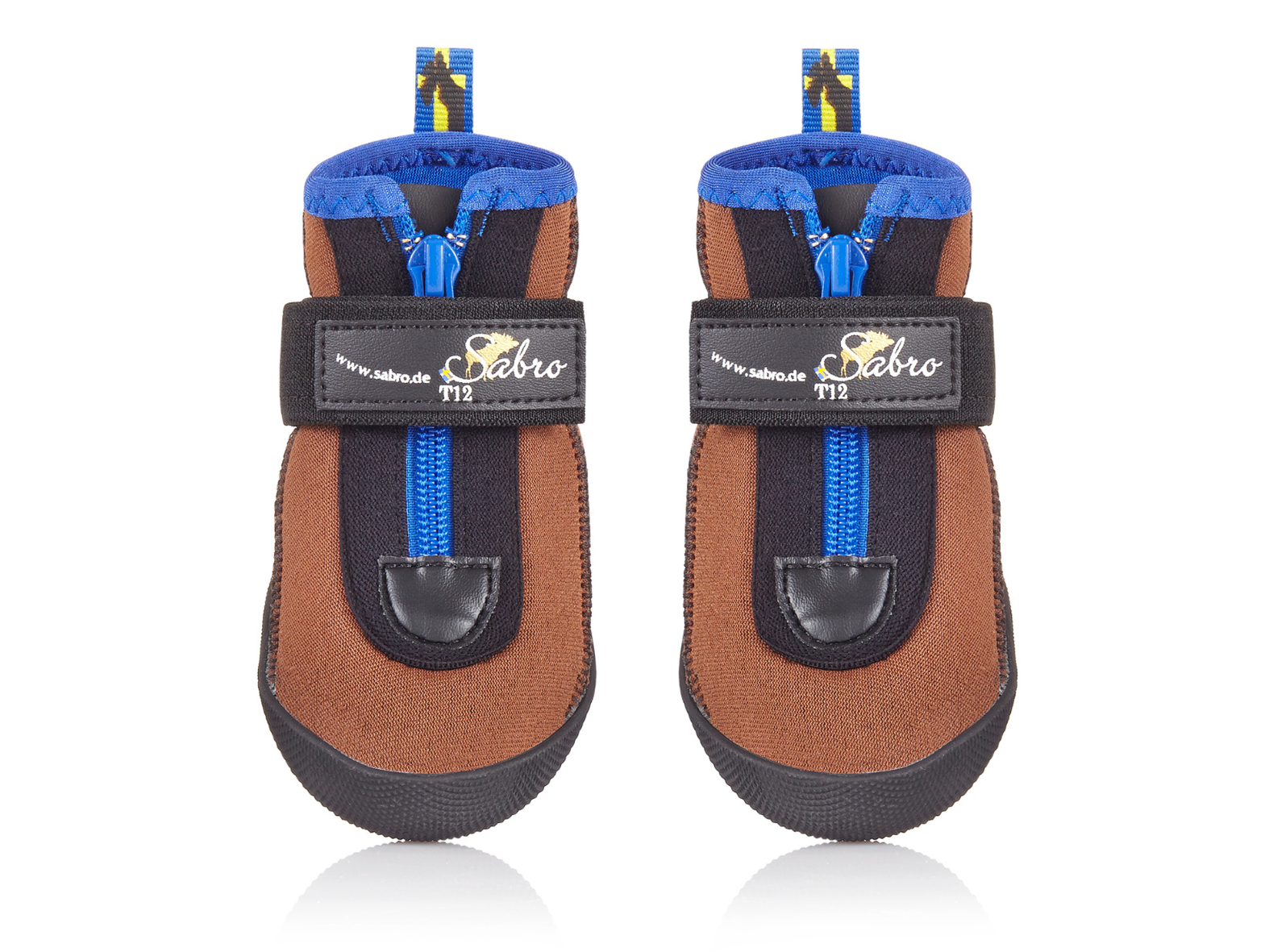
- Dogs with light-coloured or sensitive paws (e.g. Greyhounds) can develop cracks or injuries more quickly and may require additional protection from paw balm or protective shoes.
Well-groomed and healthy – with SABRO
A healthy dog feels good – and that's exactly what we support at SABRO with thoughtfully designed care products that actively contribute to your companion's health. Regular grooming is not just a feel-good ritual; it is also essential for keeping the coat, ears, eyes, paws, and teeth healthy.
Our thoughtfully designed products, such as highly absorbent dog towels, help you dry your dog quickly after walks or baths so they do not catch a chill. With our tick card, you can reliably remove parasites from yourself and your dog, helping prevent infections. Whether it's paw care after winter, dental hygiene for fresh breath, or gentle cleaning of the ears and eyes – you'll find everything you need to keep your dog healthy and well-groomed all over.
Why SABRO is the best choice for your dog's health & care:
✔ Prevention instead of treatment: Our products help prevent health problems at an early stage – whether it's dry paws on rainy days or quickly removing ticks after a walk in the woods.
✔ High-quality materials: Functional, durable, and easy-to-use products for stress-free dog grooming.
✔ Thoughtful solutions: We know what dogs need—and focus on products that are genuinely useful.
Tips and tricks for an easy grooming routine
As you already know, regular care of your dog's coat, eyes, ears, and teeth is important to prevent health problems and promote the well-being of your four-legged friend. Here are simple tips for effectively cleaning your dog's sensitive areas:
Eye cleaning
- Gentle cleaning: Use a soft cloth or cotton pads to gently wipe your dog's eyes. If dirt or tear stains have accumulated, use a special eye-cleaning cloth or a mild eye solution from a pet pharmacy.
- Regular checks: Look for signs of redness, swelling, or excessive tearing. These may indicate an infection or allergy. If there are any problems, you should consult a veterinarian.
- Take extra care with certain breeds: Dogs with flat faces, such as Pugs or Bulldogs, are prone to excessive tear production. Regular cleaning can help prevent skin irritation in this area.
Ear cleaning
- Gentle cleaning: Use special ear-cleaning drops to loosen dirt and excess earwax. Carefully drip the solution into your dog's ear, massage the ear for a few seconds, and then wipe away the residue with a soft cloth or cotton pad. Alternatively, you can use ready-made ear-cleaning pads.
- Watch for symptoms: Look out for an unpleasant odor or signs of redness and inflammation in the ear—these could indicate an ear infection or ear mites. In such cases, we recommend seeing a veterinarian promptly.
- Dogs with floppy ears: For breeds with floppy ears, such as Cocker Spaniels or Basset Hounds, you should check and clean the ears more regularly, as dirt can accumulate more easily here than in upright ears, increasing the risk of infections.
Dental care
- Brushing teeth: The most effective method of dental care is regular tooth brushing. Use special dog toothpaste and a soft toothbrush. Brush your dog's teeth at least 2–3 times a week, preferably daily, to prevent tartar and gum inflammation.
- Dental chews: If your dog does not tolerate having its teeth brushed, you can also use dental chews or toys that help reduce plaque. These are particularly helpful for keeping the gums healthy. Note: Chew toys cannot replace proper dental care!
- Veterinary checkups: Regular professional dental care is also important. An annual dental checkup at the veterinarian helps detect and treat problems early.
Coat care
- Regular brushing: Long-haired dogs in particular need to be brushed regularly to prevent matting and remove excess fur. Use a suitable brush depending on the coat type.
- Care after walks: After walks in green areas, check your dog's coat for foreign objects such as thorns, dust, or dirt, and clean it.
- Bathing when necessary: You should only bathe your dog when it is really necessary—frequent bathing can dry out the skin. Use a mild dog shampoo that is specifically suited to your dog's skin needs.
- Condition and shine: To keep your dog's coat shiny and healthy, you can also incorporate omega-3 fatty acids (e.g., from fish oil) into their diet. This supports skin health and improves the appearance of the coat.
Additional tips
- Patience and routine: Start grooming early and get your dog used to the procedures so they stay relaxed and accept brushing or cleaning as part of their routine.
- Choose the right products: Make sure to use products specifically designed for dogs, such as gentle eye and ear cleaners or dog toothpaste that contains no harmful ingredients, to protect your dog.
More categories